Can Cats Eat Pizza?
By Pettings · Sources checked Nov 2, 2026
No. Keep pizza away from cats. Almost every pizza contains garlic or onion in the sauce, crust or toppings, and the Merck Veterinary Manual names cats as the species most susceptible to onion and garlic poisoning. Pizza also brings salt, fat and cheese that a cat's stomach handles poorly.
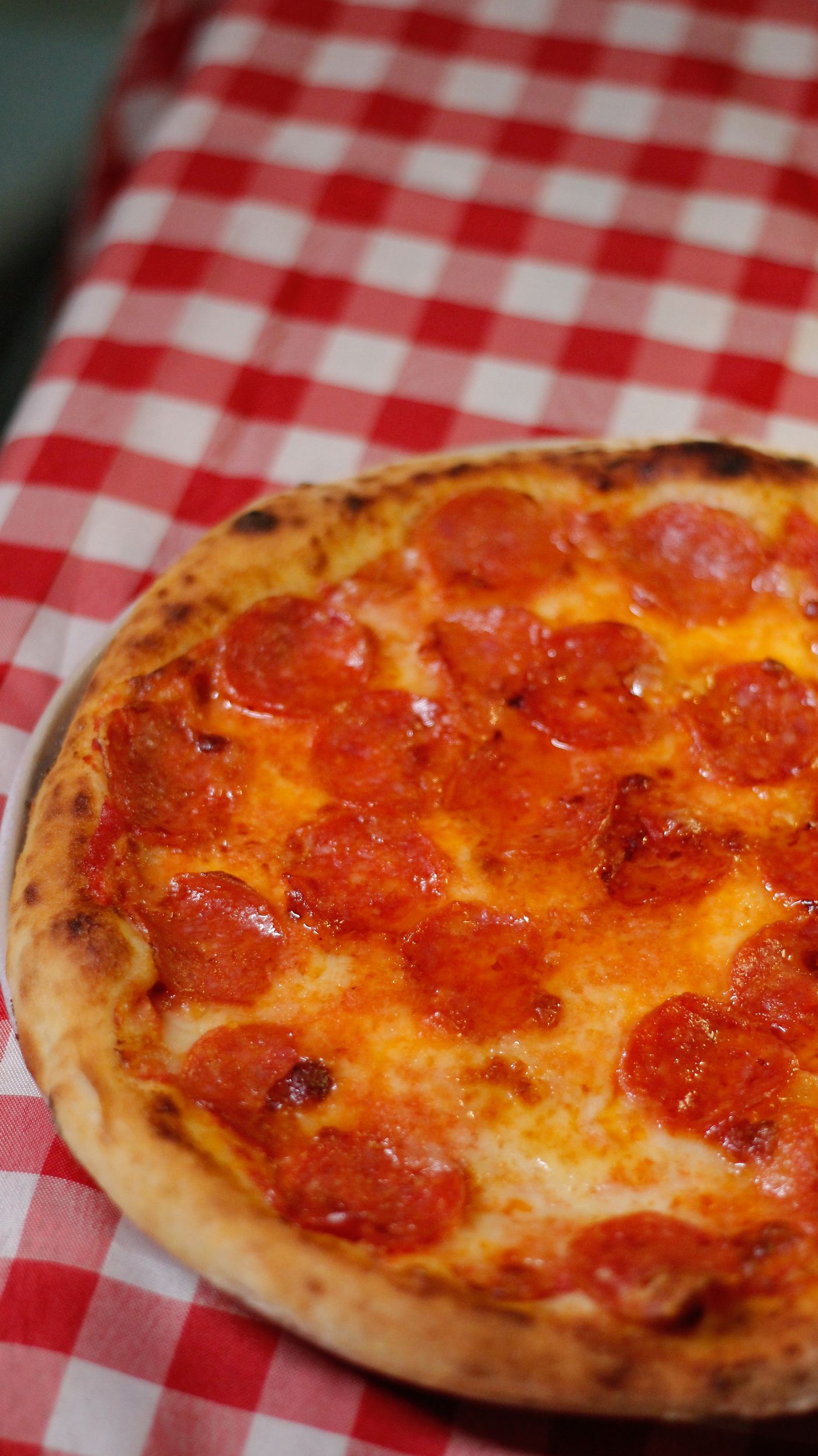
Why Pizza Is a Problem for Cats
Garlic and onion are the main concern. Merck explains that these plants damage red blood cells, which can lead to anemia, and that garlic is three to five times more potent than onion. Concentrated forms such as garlic powder, onion powder and dried flakes are linked to many cases, and those are exactly what pizza sauce, seasoned crusts and garlic butter dips tend to use. Merck reports that less than a teaspoon of cooked onion has been tied to problems in cats.
The rest of the slice adds more trouble. The ASPCA warns that salty foods can cause excessive thirst and urination and, in larger amounts, vomiting, tremors and seizures. Pepperoni, sausage and bacon are salty and fatty. Cheese is dairy, and the Cornell Feline Health Center notes that many cats are lactose intolerant. Raw pizza dough is yeast dough, which the ASPCA lists as a hazard because it rises in the stomach and makes alcohol. Toppings such as olives with pits, chili flakes or cooked bones from chicken pizza add other risks.
Signs to Watch For
Merck says signs of onion and garlic poisoning usually appear several days after the meal, once red blood cells have broken down. A cat may become weak and lethargic, lose its appetite, breathe fast or have pale or yellow gums, and the urine may turn reddish brown. Collapse is possible in severe cases. Salt and fat are more likely to cause vomiting or diarrhea within hours, and the ASPCA lists increased thirst among the signs of eating too much salt.
What to Do If Your Cat Ate Pizza
If your cat ate more than a crumb, or licked sauce or garlic butter, call your veterinarian or the ASPCA Animal Poison Control Center at (888) 426-4435 right away. Because anemia can take days to appear, do not wait for signs. Do not try to make your cat vomit unless a veterinarian tells you to. Bring the pizza box or ingredient list so the vet can see what was on it, and estimate how much is missing. Frozen pizza packages list garlic and onion powder in the ingredients, which helps.
If your cat has a medical condition or eats a special diet, ask your veterinarian about any table food it gets into.
Common Questions
Can cats eat pizza crust?
Pizza crust is not a good choice for cats. Many crusts are brushed with garlic butter or oil, or made with garlic powder in the dough, and the Merck Veterinary Manual says cats are the most susceptible species to garlic and onion. Even a plain crust is salty starch with no value for a cat. If your cat ate seasoned crust, call your veterinarian.
Can cats eat pizza cheese?
Cheese pulled off a pizza is a poor treat for a cat. It is usually covered in sauce that contains garlic or onion, and the cheese itself is fatty dairy. The Cornell Feline Health Center notes that many cats are lactose intolerant and may get digestive upset from dairy. A small piece of plain cooked chicken is a far better reward if your cat is begging.
Can cats eat pepperoni?
Cats should not eat pepperoni. It is high in salt and fat and is usually seasoned with garlic, which the Merck Veterinary Manual says cats are especially sensitive to. The ASPCA warns that salty foods can cause thirst, vomiting and, in large amounts, tremors and seizures. One slice is a lot of salt for a 10-pound cat, so call your vet if a cat eats several.
What happens if my cat eats pizza sauce?
Pizza sauce often contains garlic and onion, sometimes as powder. The Merck Veterinary Manual says these can damage a cat's red blood cells and that signs such as weakness, pale gums and fast breathing usually show up days later. A lick of sauce may cause no trouble, but because amounts are hard to judge, call your veterinarian or the ASPCA Animal Poison Control Center for advice.
Why does my cat want pizza?
Cats are drawn to the smell of meat, cheese and fat on a pizza, and many beg for whatever their owners are eating. That interest does not mean pizza suits them. The garlic and onion in most pizzas are a problem for cats according to the Merck Veterinary Manual. Offer a cat treat or a bite of plain cooked meat instead, and keep slices out of reach.