Can Cats Eat Quinoa?
By Pettings · Sources checked Nov 2, 2026
Quinoa is an occasional treat at most, and only plain, rinsed and fully cooked. Quinoa is not on the ASPCA list of people foods to avoid, and Tufts Petfoodology explains that cats can digest properly cooked carbohydrates. Even so, a cat has no need for it, and quinoa dishes made for people are often seasoned in ways that do not suit a cat.
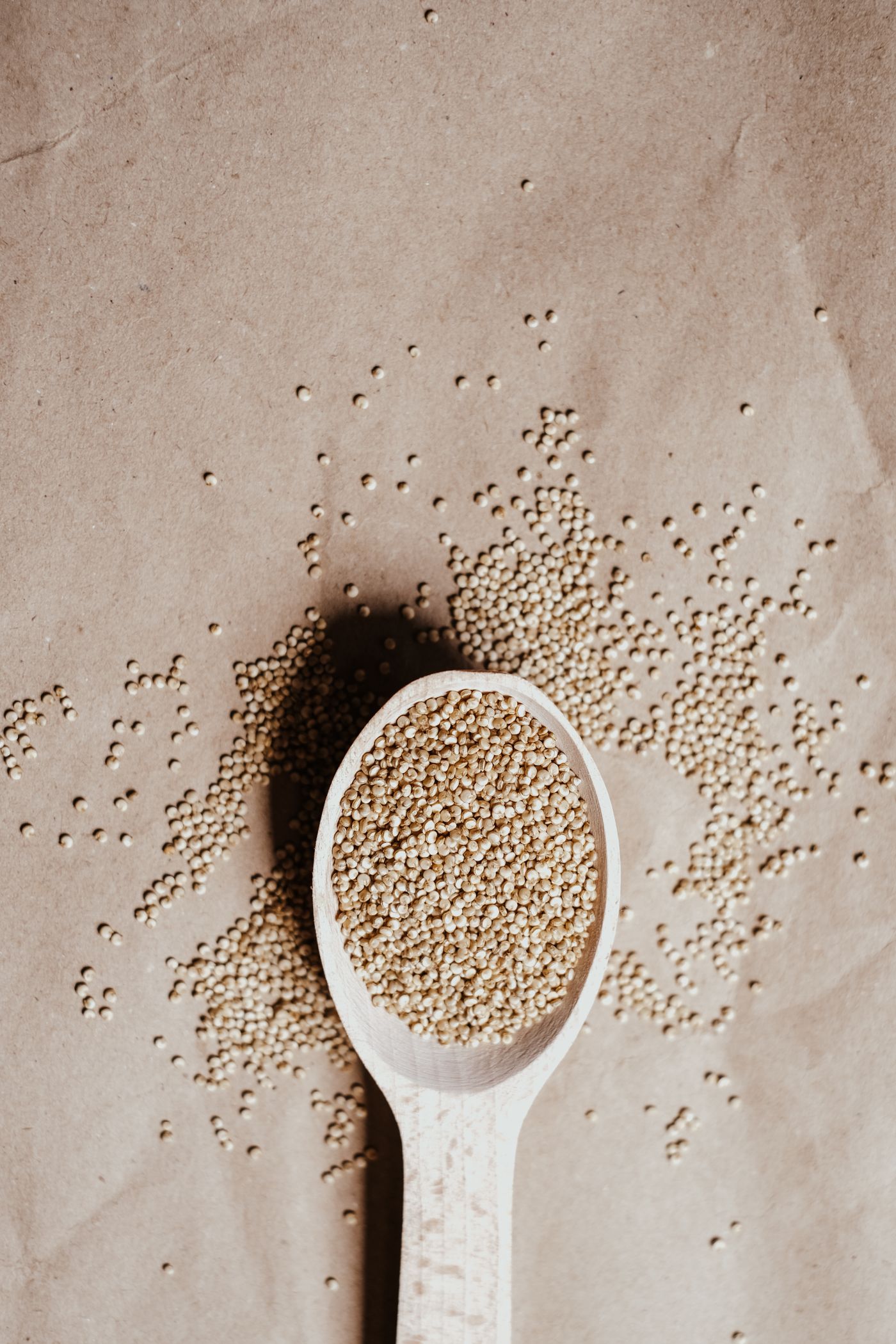
What Quinoa Offers a Cat
Cooked quinoa is mostly starch and water, with some fiber and more plant protein than rice. That protein can sound appealing, but the Cornell Feline Health Center describes cats as obligate carnivores that rely on nutrients found only in animal products. Plant protein does not stand in for meat. Tufts also notes that adult cats have no specific requirement for carbohydrate, so quinoa adds calories rather than filling a gap.
How Much Quinoa Can a Cat Have?
For a 10-pound adult cat with no food allergy and no medical condition, about 1 teaspoon of plain cooked quinoa is enough. That is a few calories. WSAVA advises keeping treats under 10% of a cat's daily calories, which works out to about 22 to 25 treat calories a day for an adult cat of roughly 9 to 11 pounds. A teaspoon fits inside that, and it should replace part of the day's food rather than be added to it.
The extra fiber may loosen stools in some cats, so start with less. Kittens, seniors and cats with diabetes, kidney disease, urinary stones, pancreatitis or food allergies should only get quinoa if your veterinarian agrees.
How to Serve It
Rinse quinoa well as the package directs, then simmer it in plain water until the grains are soft and the little germ ring has separated. Do not add salt, butter, oil or broth. Let it cool and offer a teaspoon on its own or mixed into a little of your cat's usual food.
Avoid quinoa salads, bowls and pilafs made for people. These often include onion, garlic, scallions or chives, which the ASPCA says can damage red blood cells and to which cats are more susceptible. Store-bought broth used to cook grains frequently contains onion or garlic too. Salad dressings add oil and salt, and mixed bowls may contain raisins, which the ASPCA lists among foods to avoid.
Never give uncooked quinoa. Dry seeds are hard and difficult to digest.
Offer the first spoonful on its own and watch for vomiting or loose stool over the next day.
If your cat has a medical condition or eats a special diet, ask your veterinarian before offering quinoa.
Common Questions
Is quinoa a good protein source for cats?
No, quinoa is not a substitute for animal protein. The Cornell Feline Health Center describes cats as obligate carnivores that rely on nutrients found only in animal products. Quinoa has more protein than most grains, but it is still mainly starch, and plant protein does not supply everything a cat needs from meat. Keep quinoa as a tiny occasional extra.
Can cats eat uncooked quinoa?
No, always cook quinoa before sharing it. Dry seeds are hard and difficult for a cat to digest, and Tufts Petfoodology refers to cats digesting properly cooked carbohydrates. If your cat licked a few dry seeds from the counter, it will most likely be fine. Call your veterinarian if vomiting or a loss of appetite follows.
Can cats eat quinoa salad?
It is better not to share quinoa salad. Many recipes include onion, garlic, scallions or chives, which the ASPCA says can damage red blood cells, with cats more susceptible than dogs. Dressings add oil and salt, and some salads contain raisins. If your cat ate some, check the ingredients and call your veterinarian if any allium or raisins were in it.
Is quinoa better than rice for cats?
Neither one is needed in a cat's diet. Both are mostly starch, and Tufts Petfoodology notes that adult cats have no specific requirement for carbohydrate. Quinoa has a little more protein and fiber, while white rice is softer and gentler for some stomachs. If you share either, keep it plain, well cooked and to about a teaspoon.
Can kittens eat quinoa?
Kittens should stick to a complete kitten food. Their small stomachs need nutrient-dense food for growth, and the Cornell Feline Health Center notes kittens may be at elevated risk of diarrhea as their digestive systems adjust to solid food. A lick of plain cooked quinoa is not a concern, but do not add it on purpose without asking your veterinarian.