Can Cats Eat Salt?
By Pettings · Sources checked Nov 2, 2026
No. Keep added salt, salty snacks and salt dough away from cats. Cats need some sodium, but a complete and balanced cat food already supplies it. The ASPCA warns that too much salt can cause increased thirst and urination and abnormal electrolyte levels in pets.
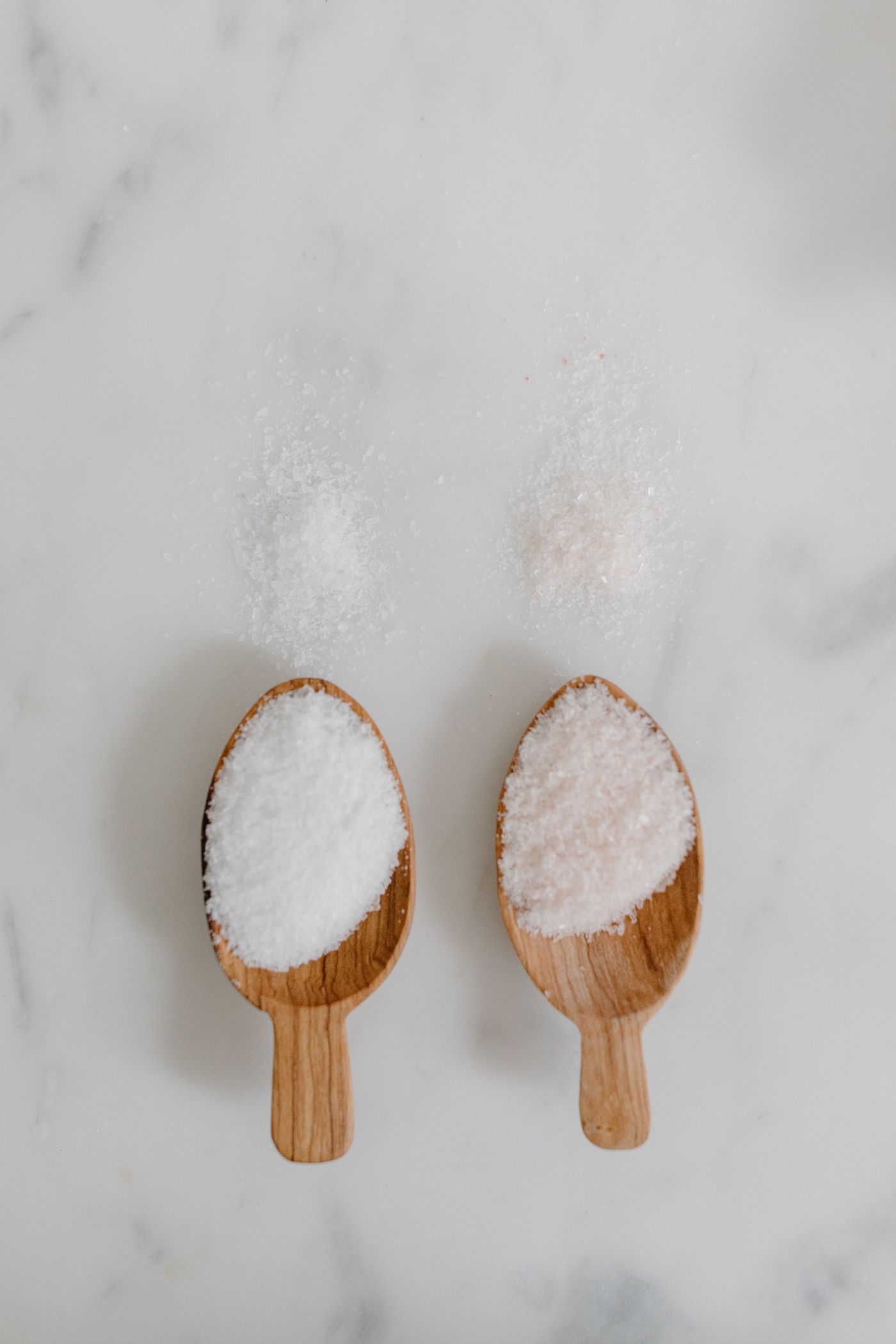
Why Salt Is a Problem for Cats
Salt is sodium chloride. When an animal takes in more than its body can handle, sodium in the blood climbs and pulls water out of cells, including brain cells. The Merck Veterinary Manual describes salt poisoning as mainly affecting the digestive tract and the nervous system. It notes that the problem gets worse when the animal does not have enough fresh water. Merck gives a dose only for dogs: signs can appear after 2 to 3 grams per kilogram of body weight, and about 4 grams per kilogram can be lethal. No figure for cats was given, and a cat's small size means less salt goes a long way.
Salt reaches cats in several ways. Homemade salt dough and play dough contain a lot of salt, and Merck lists dough and salt mixtures among the sources of salt poisoning. Salt dough ornaments hanging on a tree are a common holiday risk. Rock salt and ice melt can be licked off paws after a walk outside. Salty snack foods such as chips, pretzels and salted popcorn fall under the ASPCA's warning about excessively salty foods. So do salty human foods like deli meat, cured ham, soy sauce, broth and canned soup. Merck also notes that salt is no longer recommended as a way to make an animal vomit.
Signs to Watch For
The ASPCA lists vomiting, diarrhea, depression, tremors and seizures, with death possible in severe cases. Merck notes that vomiting often starts within several hours, followed by weakness, diarrhea, muscle tremors and seizures. Heavy drinking and urination are early clues. A cat that seems wobbly or confused after getting into salt dough needs care at once.
What to Do If Your Cat Ate Salt
Call your veterinarian or the ASPCA Animal Poison Control Center at (888) 426-4435 right away. Do not try to make your cat vomit unless a veterinarian tells you to, and never use salt to do it. Give access to fresh water but do not force large amounts; Merck explains that rapid shifts can worsen brain swelling, which is why vets correct sodium slowly. Bring the package or recipe so the vet can estimate how much salt was eaten.
If your cat has a medical condition or eats a special diet, ask your veterinarian about sodium in its food and treats.
Common Questions
How much salt is toxic to a cat?
No published amount exists for cats. The Merck Veterinary Manual gives figures only for dogs, where signs can appear after 2 to 3 grams of salt per kilogram of body weight and about 4 grams per kilogram can be lethal. Cats are much smaller than most dogs. Treat any large salt exposure, such as salt dough or rock salt, as a reason to call your veterinarian.
Are salt dough ornaments bad for cats?
Yes, salt dough ornaments are a real risk. Homemade salt dough is mostly flour and salt, and the Merck Veterinary Manual lists dough and salt mixtures among sources of salt poisoning. A cat that chews an ornament can take in a large dose of salt quickly. Hang ornaments out of reach, and call your veterinarian if one has been chewed.
Can cats eat chips or pretzels?
No. Chips and pretzels are salty snack foods, and the ASPCA lists excessively salty foods among foods to keep away from pets. A single crumb is unlikely to cause trouble, but a cat that eats from an open bag can take in a lot of salt. Many flavored chips also contain onion or garlic powder. Keep snack bags closed and out of reach.
What happens if my cat licks rock salt?
A cat that licks rock salt or ice melt off its paws may vomit or drink a lot of water, and larger amounts can lead to salt poisoning. The Merck Veterinary Manual lists rock salt among sources of salt poisoning. Wipe your cat's paws after it walks on treated surfaces, and call your veterinarian if it vomits, seems wobbly or trembles.
Do cats need salt in their diet?
Cats need sodium, but a complete and balanced cat food already contains the right amount. Adding table salt or salty foods is not necessary. The Cornell Feline Health Center notes that cats need more than a dozen nutrients including minerals, and commercial foods are formulated to supply them. Ask your veterinarian before changing sodium intake, especially for a cat with kidney or heart disease.