Can Cats Eat Sardines?
By Pettings · Sources checked Nov 2, 2026
Cats can eat small amounts of plain sardines, ideally canned in water with no salt added. A little mashed sardine makes a strong-smelling treat that most cats accept quickly. The cautions are about what the fish is packed in and how often it shows up. The Merck Veterinary Manual links diets made largely of fish to yellow fat disease in cats, so sardines belong in the treat column only.
What Sardines Offer a Cat
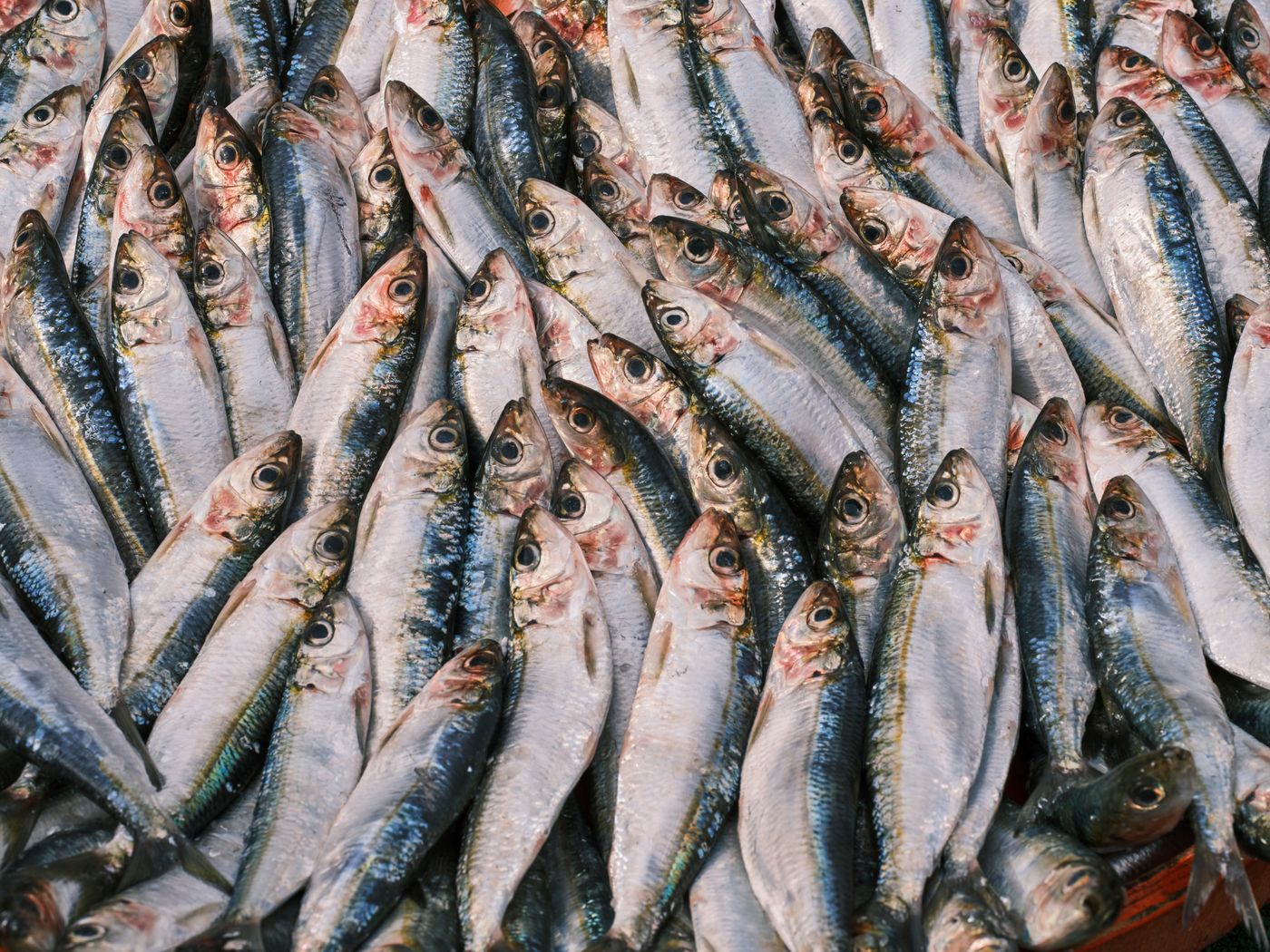
Sardines are small oily fish. They provide animal protein and fish fat, and Merck names oily fish among the best dietary sources of the omega-3 fats EPA and DHA. A complete cat food already covers a cat's fat and vitamin needs, so the sardine is a flavor treat, not a supplement. The concern with oily fish in quantity is that its fat is highly unsaturated. Merck's cat owner guide says yellow fat disease is thought to come from too much unsaturated fat combined with too little vitamin E, and most known cases involved animals whose diet was partly or entirely fish. On the mercury side, FDA advice for people lists sardines among the lowest-mercury choices. Fish is also one of the foods Merck says cats are most often allergic to.
How Much Sardine Can a Cat Have?
WSAVA advises keeping treats under 10% of a cat's daily calories, which comes to roughly 22 to 25 treat calories a day for a 10-pound adult cat. We could not confirm a USDA calorie figure for canned sardines, and oily fish is richer than lean fish, so keep it small: about 1/4 ounce (7 grams), mashed, adds only a few calories. Take that amount out of the day's regular food instead of adding it. A whole sardine or a whole can is far beyond a cat's treat budget. Kittens, seniors and cats with diabetes, kidney disease, urinary stones, pancreatitis or food allergies should only get sardines if the vet agrees.
How to Serve It
Choose sardines canned in water with no salt added. Oil-packed sardines carry extra fat and calories, so drain and blot them well if that is what you have, and never pour the oil over a cat's food. Skip sardines in tomato, mustard or hot sauce, and smoked or heavily salted sardines. The ASPCA warns that too much salt can cause vomiting, diarrhea and tremors in pets. Canned sardines usually include the spine and small bones. Mash the fish thoroughly or lift out the larger spine pieces, since Merck lists bones as the objects most often stuck in a cat's esophagus.
If your cat has a medical condition or eats a special diet, check with your veterinarian before sharing sardines.
Common Questions
Can cats eat sardines in oil?
Sardines in water are the better choice, so drain and blot oil-packed sardines well if they are all you have. The oil adds fat and calories that a cat does not need, and Cornell Feline Health Center lists excessive dietary fat among factors associated with pancreatitis in cats. Never pour the leftover oil on your cat's food, and keep the portion to about 1/4 ounce.
Can cats eat sardines in tomato sauce?
It is better not to give a cat sardines in tomato sauce. Sauced sardines often contain added salt, sugar and seasonings such as onion or garlic, and the ASPCA lists onion and garlic among foods pets should not eat. If you want to share sardines, buy a can packed in water with no salt added and offer a small mashed portion of the plain fish.
Can cats eat sardines every day?
Sardines should not be a daily food for cats. The Merck Veterinary Manual says most known cases of yellow fat disease involved animals whose diets were made partly or entirely of fish, and it ties the condition to excess unsaturated fat with too little vitamin E. A small spoonful of plain sardine now and then is fine for most cats, as long as a complete cat food makes up the rest.
Can kittens eat sardines?
A kitten can have a tiny taste of plain sardine canned in water, but ask your veterinarian first. Kittens need a complete diet made for growth, and WSAVA advises that treats stay under 10% of daily calories. Mash the fish well and lift out the spine, since Merck lists bones as the objects most often stuck in a cat's esophagus.
Do sardines help a cat's coat?
There is no good evidence that an occasional sardine treat changes a cat's coat. Sardines contain omega-3 fats, which the Merck Veterinary Manual says come mainly from oily fish, krill oil and algae oil, but a complete cat food already supplies the fats a cat needs. If your cat has a dull coat or dry skin, a vet visit is a better first step than adding fish.
Sources
- Merck Veterinary Manual: Nutritional requirements of small animals
- Merck Veterinary Manual: Muscle disorders in cats
- FDA: Advice about eating fish
- ASPCA: People foods avoid feeding your pets
- WSAVA: Feeding treats to your cat
- Merck Veterinary Manual: Disorders of the esophagus in cats
- Merck Veterinary Manual: Allergies of cats
- Cornell Feline Health Center: Pancreatitis