Can Cats Eat Sausage?
By Pettings · Sources checked Nov 2, 2026
No. Keep sausage away from cats. Sausage is ground meat mixed with extra fat, salt and seasonings, and many recipes include garlic or onion. The ASPCA lists onions and garlic among foods to keep from pets and notes that cats are more susceptible to them than dogs.
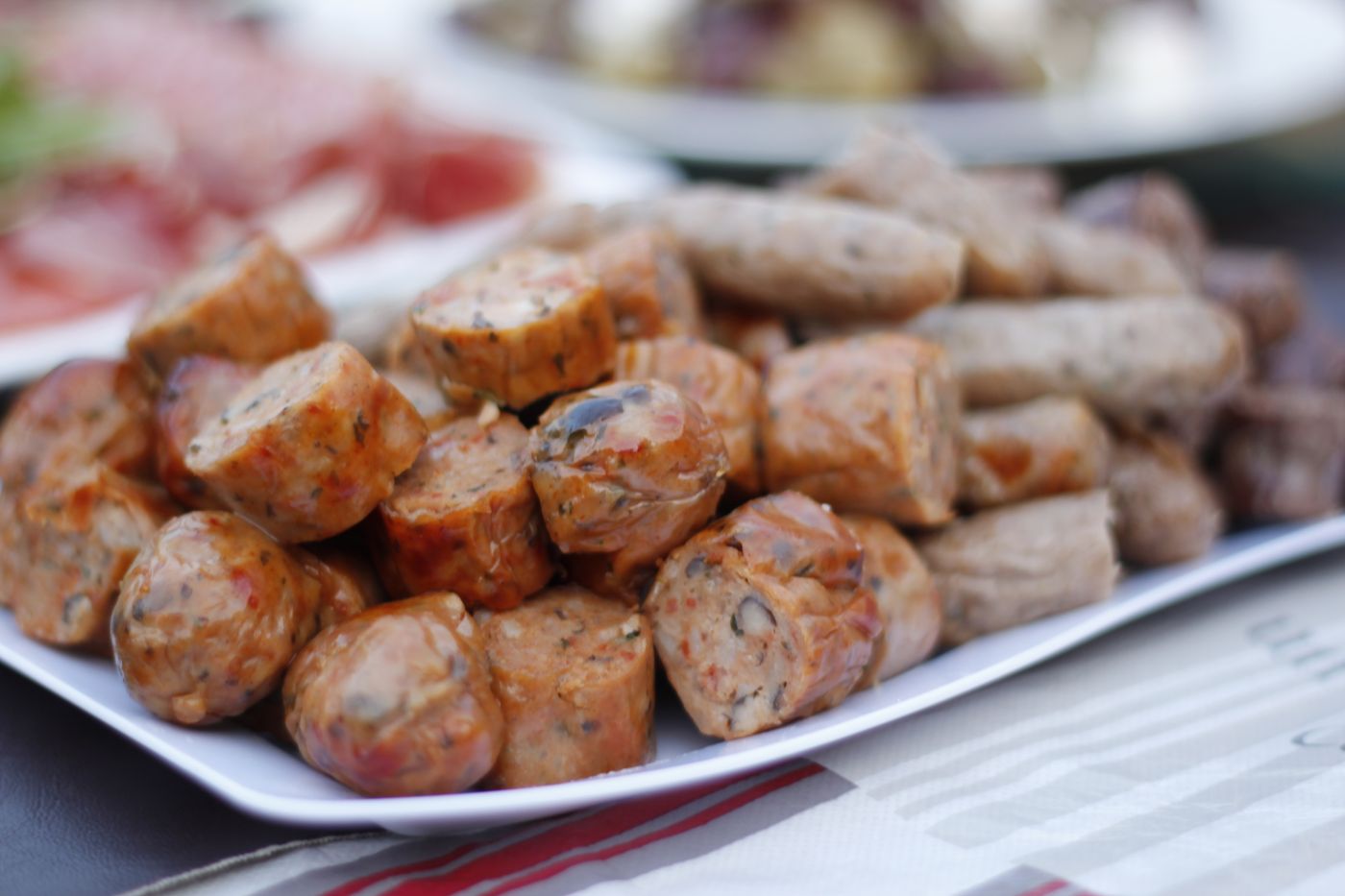
Why Sausage Is a Problem for Cats
Sausage is built for flavor, and the flavor comes from things a cat does not need. Salt is a main ingredient, and the ASPCA warns that too much salt can cause increased thirst and urination and, in larger amounts, vomiting, diarrhea, tremors and seizures. Sausage is also high in fat. Tufts Petfoodology lists high fat foods among those that can upset a pet's stomach, and the Merck Veterinary Manual recommends low fat treats for cats with pancreatitis. Seasonings vary by style, but garlic, onion and spicy pepper are common in Italian, breakfast and chorizo sausages. Merck reports that cats are the most sensitive species to garlic and onion and that dried forms cause most poisonings. Raw sausage brings parasite and bacteria concerns too, and Merck advises against feeding cats raw or undercooked meat. Hot dogs belong in the same group. They are salted, cured and seasoned, and their round shape and size can be a choking concern; WSAVA advises choosing treats with an appropriate size and shape for that reason. Bratwurst, kielbasa, Vienna sausages and breakfast links share the same problems.
Signs to Watch For
The ASPCA lists heavy thirst and frequent urination as early signs that a pet has had too much salt, with vomiting, diarrhea, low energy, tremors and seizures following larger amounts. Tufts notes that fatty foods can cause vomiting or diarrhea. If the sausage held garlic or onion, Merck describes weakness, pale or yellow gums, rapid breathing, dark urine and collapse. Those signs often take several days to develop.
What to Do If Your Cat Ate Sausage
If your cat ate a bite of plain cooked sausage, offer water and watch for several days. If it ate a whole link or hot dog, a raw sausage, or one seasoned with garlic or onion, call your veterinarian or the ASPCA Animal Poison Control Center at (888) 426-4435 right away. Do not try to make your cat vomit unless a veterinarian tells you to. Bring the package so the vet can read the ingredients.
If your cat has a medical condition or eats a special diet, ask your veterinarian about suitable treats.
Common Questions
Can cats eat hot dogs?
Cats should not eat hot dogs. They are processed, salty and fatty, and many contain garlic or onion powder. The ASPCA lists onions and garlic as foods to avoid and warns that salty foods can cause vomiting, diarrhea and tremors. WSAVA also stresses choosing treats of a suitable size and shape to lower the choking risk, and hot dog chunks are a poor fit.
Can cats eat breakfast sausage?
Breakfast sausage is a poor choice for cats. It is high in fat and salt and usually seasoned with sage, pepper and sometimes onion or garlic. Tufts Petfoodology notes that high fat foods can cause vomiting or diarrhea in pets, and the ASPCA lists onions and garlic as foods to keep from pets. Offer a small piece of plain cooked chicken instead.
Can cats eat raw sausage?
Raw sausage is not recommended for cats. It is raw ground meat, and the Merck Veterinary Manual advises against feeding cats raw or undercooked meat because of parasites such as Trichinella. It also contains salt, fat and seasonings, sometimes garlic. If your cat ate raw sausage, call your veterinarian for advice and keep the package handy.
What happens if a cat eats sausage?
A cat that eats a small bite of cooked sausage may get thirsty or have mild stomach upset. Larger amounts or sausage with garlic or onion can cause more serious trouble. The Merck Veterinary Manual notes that onion and garlic damage red blood cells in cats, with signs such as weakness and pale gums that can take days to appear. Call your veterinarian if you notice these.
Can kittens eat sausage?
Kittens should not eat sausage. The salt, fat and seasonings hit a small body harder, and the Merck Veterinary Manual says cats are the species most sensitive to garlic and onion. Sausage pieces can also be a choking concern for small mouths. If your kitten ate some, call your veterinarian and have the package ready.
Sources
- ASPCA: People foods avoid feeding your pets
- Merck Veterinary Manual: Allium spp toxicosis in animals
- Tufts Petfoodology: The most popular holiday foodsthat your pet should avoid
- Merck Veterinary Manual: Disorders of the pancreas in cats
- WSAVA: Feeding treats to your cat
- Merck Veterinary Manual: Trichinellosis trichinosis in cats