Can Cats Eat Shrimp?
By Pettings · Sources checked Nov 2, 2026
Cats can eat small amounts of plain cooked shrimp. Peel off the shell, pull off the tail, and remove the dark vein before sharing. Plain shrimp is a lean treat that many cats enjoy. The shrimp most people eat, though, comes with butter, garlic, cocktail sauce or batter, and those versions are not for cats.
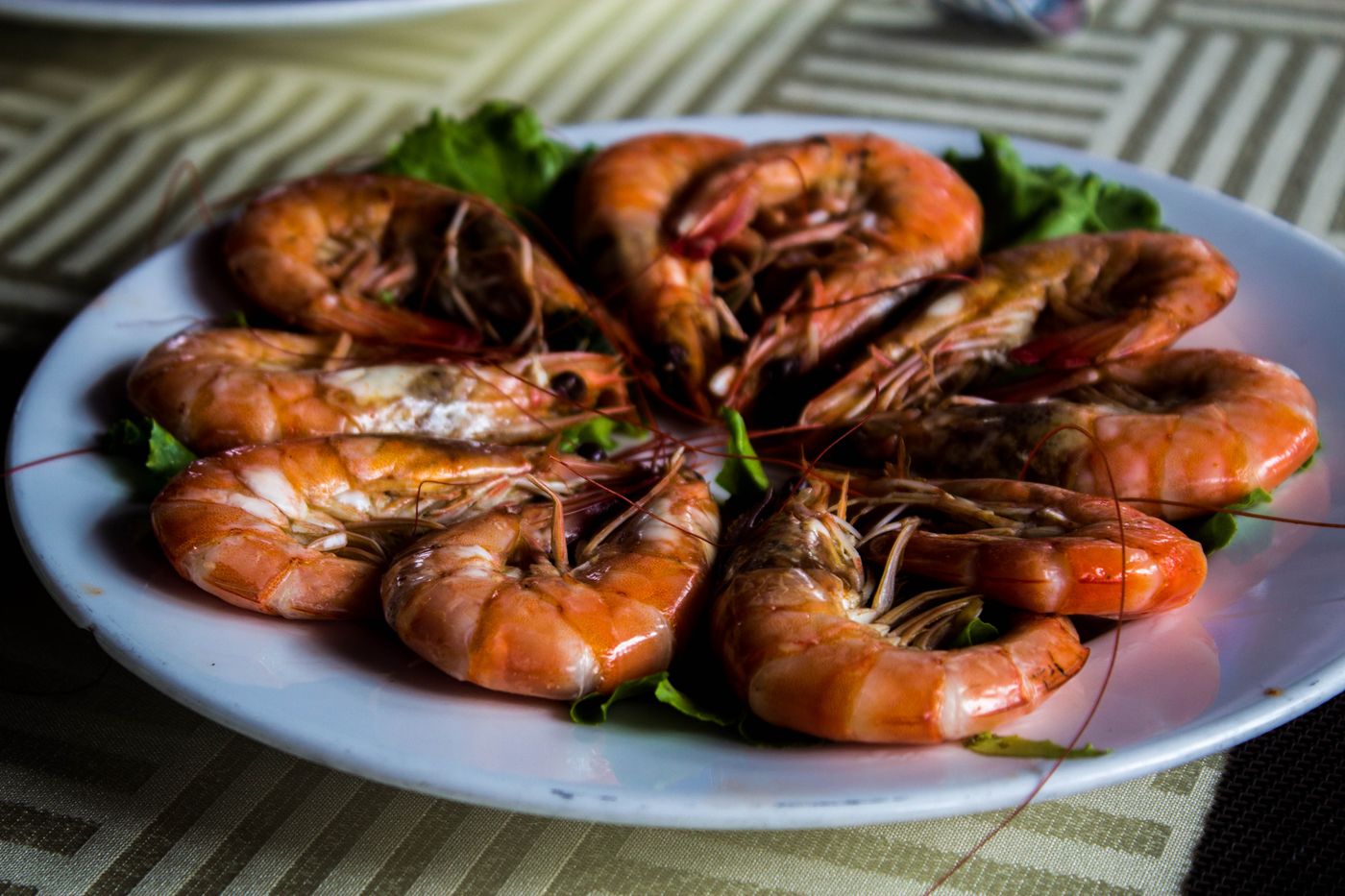
What Shrimp Offers a Cat
Shrimp is lean animal protein. Cats are carnivores, so a bit of plain seafood suits them better than plant foods, but shrimp does not add anything a complete cat food lacks. FDA advice for people lists shrimp among the lowest-mercury seafood. The Merck Veterinary Manual does not name shellfish among the most common cat food allergens, but any new protein can bring on a reaction, and Merck says itching directed at the head and neck is fairly common in cats with food allergies. Offer a small piece the first time and watch for that.
How Much Shrimp Can a Cat Have?
WSAVA lists cooked prawns, which are the same thing as shrimp, at 29 calories per ounce. Its guidance keeps treats under 10% of daily calories, which is roughly 22 to 25 treat calories a day for a 10-pound adult cat. So about 1/2 ounce (14 grams) of cooked, peeled shrimp, around 15 calories, is a full treat for the day. Depending on size, that may be one or two shrimp. Subtract that amount from the day's regular food. Kittens, seniors and cats with diabetes, kidney disease, urinary stones, pancreatitis or food allergies should get the vet's approval first.
How to Serve It
Boil or steam the shrimp in plain water until it turns pink and opaque. Peel it completely and remove the tail, since shells and tails are hard and sharp, and WSAVA advises that treats be a size and shape that lowers the risk of choking. Chop the meat into small pieces. Skip raw shrimp; the ASPCA warns that raw animal foods can carry Salmonella and E. coli. Keep garlic shrimp, shrimp scampi and grilled shrimp with marinade away from cats, because the ASPCA lists garlic and onion among foods pets should not eat. Cocktail sauce is spicy and salty. Fried or battered shrimp brings frying fat, and Cornell Feline Health Center lists excessive dietary fat among factors associated with pancreatitis in cats.
If your cat has a medical condition or eats a special diet, check with your veterinarian before sharing shrimp.
Common Questions
Can cats eat raw shrimp?
Raw shrimp is not recommended for cats. The ASPCA warns that raw animal foods can carry bacteria such as Salmonella and E. coli that can make both pets and people sick. Boil or steam shrimp in plain water until it turns pink and opaque, then peel it, take off the tail and chop it before sharing.
Can cats eat shrimp tails or shells?
No, remove the shells and tails before giving shrimp to a cat. They are hard and sharp, and they are difficult to chew and swallow. WSAVA advises that treats be a size and shape that lowers the risk of choking. If your cat swallowed a tail and starts gagging, drooling or vomiting, call your veterinarian.
Can cats eat garlic shrimp or shrimp scampi?
No, garlic shrimp and shrimp scampi are not suitable for cats. The ASPCA lists garlic, onions and chives among foods pets should not eat, and scampi is cooked in butter, which adds fat. If your cat ate a piece, watch for vomiting, weakness or a poor appetite and call your veterinarian or the ASPCA Animal Poison Control Center at (888) 426-4435 for advice.
Can kittens eat shrimp?
A kitten can taste a small piece of plain cooked shrimp after your veterinarian okays it. Kittens need a complete diet for growth, and WSAVA advises keeping treats under 10% of daily calories. Peel the shrimp fully, remove the tail and chop the meat very small so it is easy for a young cat to chew and swallow.
How much shrimp can I give my cat?
About 1/2 ounce of plain cooked shrimp is a full day's treat for a 10-pound adult cat. WSAVA lists cooked prawns at 29 calories per ounce and advises keeping treats under 10% of daily calories, roughly 22 to 25 calories for a cat that size. That half ounce is about 15 calories, and it should replace part of the day's regular food.
Sources
- WSAVA: Feeding treats to your cat
- FDA: Advice about eating fish
- ASPCA: People foods avoid feeding your pets
- Merck Veterinary Manual: Nutritional requirements of small animals
- Merck Veterinary Manual: Allergies of cats
- Cornell Feline Health Center: Pancreatitis
