Can Cats Eat Soy Sauce?
By Pettings · Sources checked Nov 2, 2026
No. Keep soy sauce away from cats. Soy sauce is one of the saltiest foods in most kitchens, and a cat's small body cannot handle much salt. The ASPCA warns that too much salt can cause increased thirst and urination and abnormal electrolyte levels in pets.
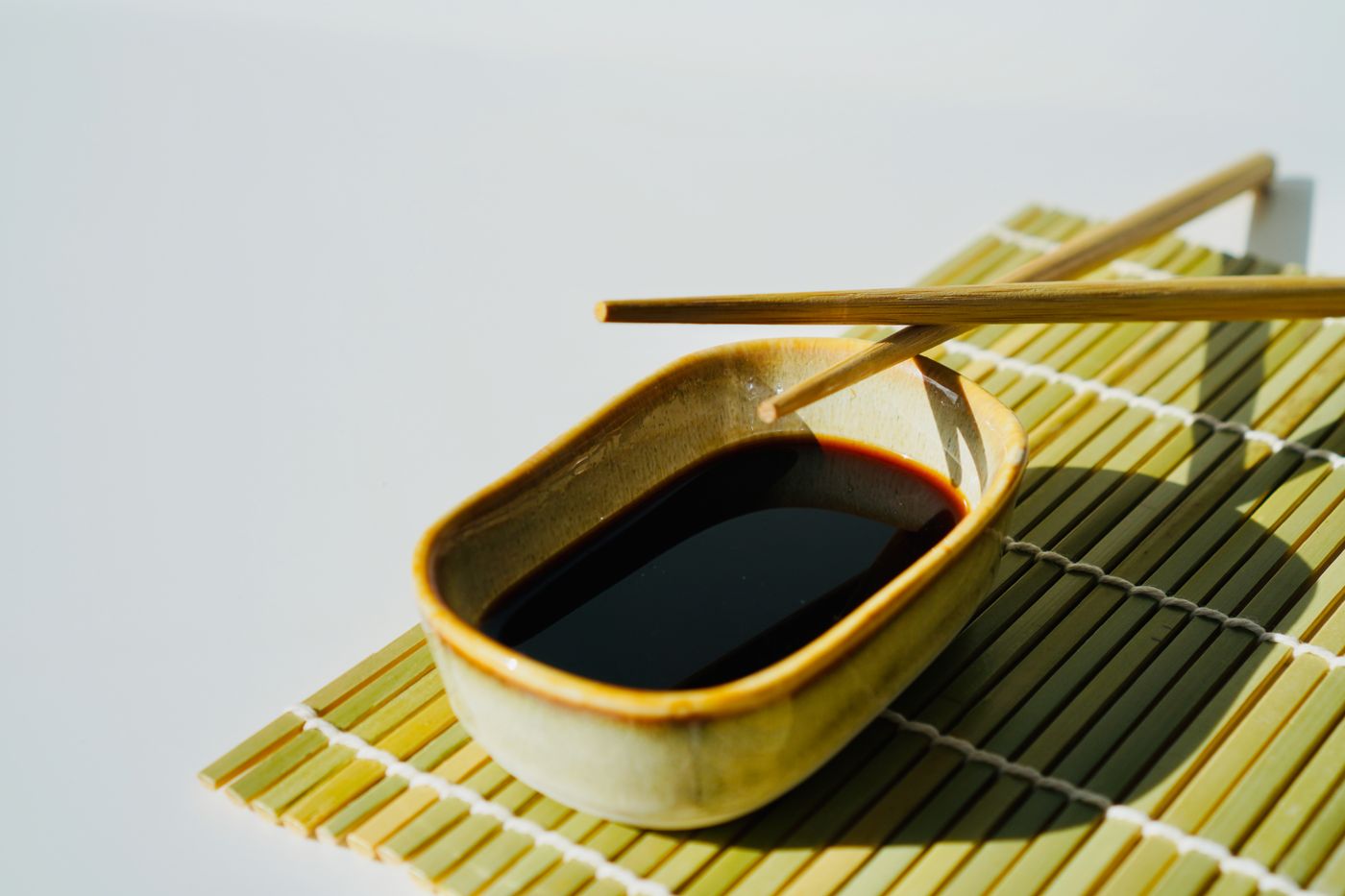
Why Soy Sauce Is a Problem for Cats
Soy sauce is brewed from soybeans, wheat, salt and water, and salt makes up a large share of it. Check the label on your bottle and you will see a high sodium figure for a single tablespoon. A 10-pound cat is tiny next to a person, so a spill on the counter means far more to a cat than a splash on rice does to you.
The Merck Veterinary Manual explains that salt poisoning mainly affects the digestive tract and the nervous system, and that it becomes more likely when an animal does not have enough fresh water. Merck gives numbers only for dogs: signs can appear after 2 to 3 grams of salt per kilogram of body weight, and about 4 grams per kilogram can be lethal. No figure for cats was given.
Soy sauce rarely comes alone. Teriyaki sauce, stir-fry sauce and marinades usually add sugar plus garlic and onion. The Merck Veterinary Manual says cats are the species most sensitive to garlic and onion. Sushi, fried rice, takeout noodles and dumplings soaked in sauce bring both salt and these aromatics. Low-sodium soy sauce still contains a lot of salt and is not an alternative for a cat.
Signs to Watch For
The ASPCA lists vomiting, diarrhea, depression, tremors and seizures for pets that take in too much salt, and death is possible in severe cases. The Merck Veterinary Manual adds that vomiting often starts within several hours, followed by weakness, diarrhea, muscle tremors and seizures. Watch for heavy drinking and urination, stumbling or confusion. If the sauce contained garlic or onion, Merck describes weakness, fast breathing, yellow gums and dark urine a few days later.
What to Do If Your Cat Ate Soy Sauce
Call your veterinarian or the ASPCA Animal Poison Control Center at (888) 426-4435 right away, especially if your cat lapped up a spill or got into a packet or bottle. Do not try to make your cat vomit unless a veterinarian tells you to. Let your cat drink fresh water in normal amounts, but do not force water. Bring the bottle or the takeout packets so the vet can estimate the sodium.
If your cat has a medical condition or eats a special diet, ask your veterinarian about salt in its food and treats.
Common Questions
What happens if my cat licks soy sauce?
A single lick of soy sauce is unlikely to cause serious trouble, though your cat may drink more water afterward. Larger amounts are a concern because soy sauce is mostly salt. The ASPCA lists vomiting, diarrhea, depression, tremors and seizures for pets that take in too much salt. Call your veterinarian if your cat lapped up more than a lick.
Is low sodium soy sauce safe for cats?
No. Low-sodium soy sauce has less salt than regular soy sauce, but it is still very salty for a 10-pound cat. It offers a cat nothing it needs. The Merck Veterinary Manual explains that salt poisoning affects the gut and the nervous system and is more likely when fresh water is short. Keep all soy sauce away from cats.
Can cats eat sushi with soy sauce?
Skip the soy sauce and most sushi. Raw fish carries infection risks, and the Cornell Feline Health Center advises against feeding raw meat. Rolls often include rice, avocado, spicy mayo or imitation crab. Soy sauce adds a large salt load. If you want to share fish, give a small piece of plain cooked fish with nothing on it.
Can cats eat teriyaki chicken?
No. Teriyaki sauce combines soy sauce with sugar and usually garlic and ginger, sometimes onion. The Merck Veterinary Manual says cats are the species most sensitive to garlic and onion, and the soy sauce adds a lot of salt. If your cat stole a piece, call your veterinarian and have the sauce label handy.
How much salt can kill a cat?
No published lethal amount exists for cats. The Merck Veterinary Manual gives figures for dogs only, with signs possible after 2 to 3 grams of salt per kilogram of body weight and about 4 grams per kilogram potentially lethal. A cat is much smaller than most dogs, so treat any large salt exposure, including a soy sauce spill, as urgent.