Can Cats Eat Spaghetti?
By Pettings · Sources checked Nov 2, 2026
No. Keep spaghetti with sauce away from cats. The noodles alone are just boiled wheat pasta, but spaghetti almost always comes with a tomato or meat sauce cooked with onion and garlic. The ASPCA says onion and garlic can damage red blood cells in pets, and that cats are more susceptible than dogs.
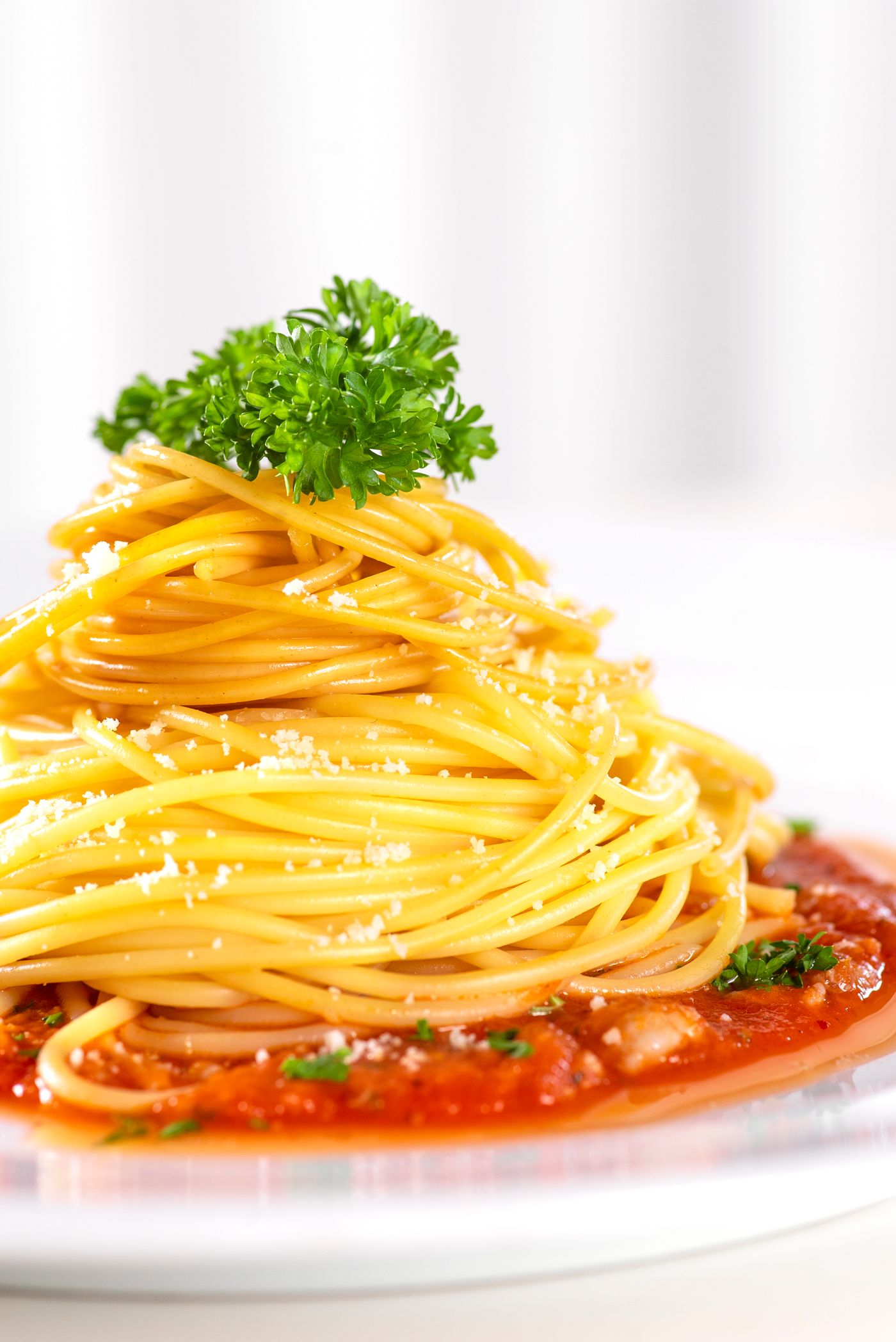
Why Spaghetti Is a Problem for Cats
The sauce is the problem. Marinara, jarred pasta sauce and meat sauce typically include onion, garlic, salt, olive oil and dried herbs, and many jarred sauces list onion powder and garlic powder as well. The Merck Veterinary Manual says cats are the species most susceptible to onion and garlic, and that cats have reacted to less than a teaspoon of cooked onion. Noodles tossed in sauce carry it with them, so wiping a strand does not make it plain.
Spaghetti with meat sauce adds fat from ground beef or sausage, and meatballs are usually mixed with onion, garlic, breadcrumbs and parmesan. The ASPCA notes that the oils and fats in nuts can cause vomiting, diarrhea and potentially pancreatitis in some pets, and the Cornell Feline Health Center lists excessive dietary fat among the factors associated with pancreatitis in cats.
Toppings and sides bring more. Parmesan is a salty dairy cheese, and WSAVA notes that many cats are lactose intolerant. Garlic bread is buttered bread coated in garlic. Canned spaghetti in sauce and boxed spaghetti dinners use seasoning mixes with onion powder, sugar and salt.
The plain noodle is a different matter. A strand of boiled spaghetti with no salt, oil or sauce is unlikely to cause trouble, but it is starch, and the Cornell Feline Health Center describes cats as obligate carnivores that rely on nutrients found in animal products. There is no reason to make it a habit.
Signs to Watch For
Fat and dairy can cause vomiting or diarrhea within hours. Onion and garlic act more slowly. Merck says signs of red blood cell damage usually show a few days after exposure, including tiredness, poor appetite, fast breathing, weakness, yellow gums and dark urine. Cornell lists lethargy, loss of appetite and dehydration among signs of pancreatitis.
What to Do If Your Cat Ate Spaghetti
If your cat ate a plain noodle, there is usually nothing to do. If it ate spaghetti with sauce, meatballs or garlic bread, call your veterinarian or the ASPCA Animal Poison Control Center at (888) 426-4435 right away. Do not try to make your cat vomit unless a vet tells you to. Bring the sauce jar or tell the vet what went into the recipe.
If your cat has pancreatitis, a food allergy or another medical condition, ask your veterinarian before it eats any people food.
Common Questions
Can cats eat plain spaghetti noodles?
A strand or two of plain boiled spaghetti, with no salt, butter, oil or sauce, is unlikely to cause trouble for an adult cat. It is still starch that a cat does not need. The Cornell Feline Health Center describes cats as obligate carnivores, so a bite of plain cooked chicken is a better treat if you want to share.
Can cats eat spaghetti sauce?
No. Spaghetti sauce, jarred or homemade, is usually cooked with onion and garlic, and many jars list onion powder and garlic powder too. The Merck Veterinary Manual says cats are the species most susceptible to onion and garlic. If your cat licked sauce from a plate, call your veterinarian for advice.
Can cats eat meatballs?
No. Meatballs are usually made with onion, garlic, breadcrumbs, cheese and salt, then simmered in sauce. The ASPCA says onion and garlic can damage red blood cells in pets and that cats are more susceptible than dogs. If you want to share meat, cook a little plain ground beef with nothing added and drain the fat.
Can cats eat spaghetti with meat sauce?
No. Meat sauce combines ground beef or sausage with onion, garlic and salt, so it adds fat on top of the onion. The Cornell Feline Health Center lists excessive dietary fat among the factors associated with pancreatitis in cats. If your cat ate some, call your veterinarian, especially if it ate more than a lick.
Can cats eat parmesan cheese?
Not as a regular treat. Parmesan is a salty, rich dairy cheese, and WSAVA notes that many cats are lactose intolerant. A pinch that fell on the floor is unlikely to cause trouble. Garlic parmesan blends exist too, so check the label on any shaker.