Can Cats Eat Tacos?
By Pettings · Sources checked Nov 2, 2026
No. Keep tacos away from cats. The meat in a taco is usually browned with a taco seasoning mix, and those mixes are built on chili powder, salt, cumin, onion powder and garlic powder. The Merck Veterinary Manual says cats are the species most susceptible to onion and garlic.
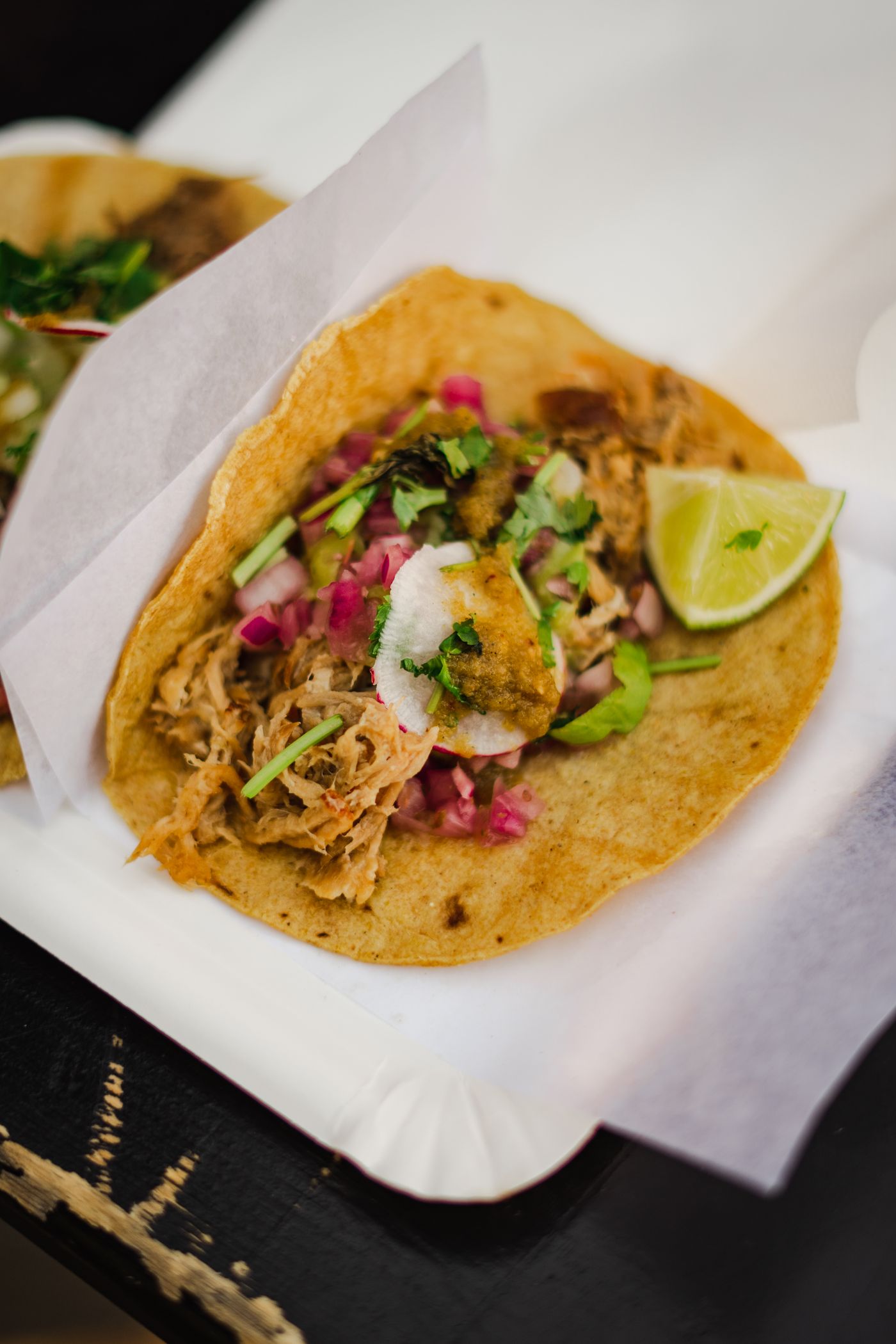
Why Tacos Are a Problem for Cats
Taco seasoning is the hidden ingredient. A packet or jar of taco seasoning is a dry blend, and the Merck Veterinary Manual says dried powders and dehydrated onion are the concentrated forms most often linked to poisoning in cats and dogs. Cats have reacted to less than a teaspoon of cooked onion. The ASPCA says onion and garlic can damage red blood cells and lead to anemia. The seasoning is simmered into the meat, so every piece carries it.
The toppings add more. Pico de gallo and salsa are made with raw onion, and guacamole often has onion and garlic too. Shredded cheese and sour cream bring lactose and fat, and WSAVA notes that many cats are lactose intolerant. Hot sauce, jalapenos and chili powder add heat that a cat gets nothing from.
Fat and salt round it out. Ground beef for tacos is often fatty, and hard shells are fried corn tortillas. The ASPCA notes that the oils and fats in nuts can cause vomiting, diarrhea and potentially pancreatitis in some pets, and the Cornell Feline Health Center lists excessive dietary fat among the factors associated with pancreatitis in cats. The ASPCA also warns that too much salt can lead to thirst, vomiting, tremors and seizures.
Fish tacos and chicken tacos are no different, since they are usually marinated or dusted with similar spice blends, and fish tacos often come with a creamy sauce.
Signs to Watch For
Spicy, fatty food can cause vomiting and diarrhea within hours. Onion and garlic act more slowly. Merck says red blood cell damage usually shows a few days after the meal as tiredness, poor appetite, fast breathing, weakness, yellow gums and dark urine. Cornell lists lethargy, loss of appetite and dehydration among signs of pancreatitis.
What to Do If Your Cat Ate Tacos
If your cat ate taco meat, licked taco seasoning or ate salsa or guacamole, call your veterinarian or the ASPCA Animal Poison Control Center at (888) 426-4435 right away, even if it acts normal. Do not try to make your cat vomit unless a vet tells you to. Bring the seasoning packet or jar so the vet can see what was in it and estimate the amount.
If your cat has pancreatitis, a food allergy or another medical condition, ask your veterinarian before it eats any people food.
Common Questions
Can cats eat taco seasoning?
No. Taco seasoning is a dry blend that usually lists chili powder, salt, onion powder and garlic powder. The Merck Veterinary Manual says powders are among the concentrated forms of onion most often linked to poisoning in cats. If your cat licked the packet or spilled seasoning, call your veterinarian or the ASPCA Animal Poison Control Center at (888) 426-4435.
Can cats eat taco meat?
No. Taco meat is simmered with seasoning, so onion and garlic powder are mixed all through it. The ASPCA says onion and garlic can damage red blood cells in pets, and that cats are more susceptible than dogs. If you want to share beef, cook a little lean ground beef plain, with no seasoning, and drain the fat.
Can cats eat taco shells or tortillas?
A small bit of a plain soft tortilla is unlikely to cause trouble, but it is just corn or wheat starch. Hard taco shells are fried, and the Cornell Feline Health Center lists excessive dietary fat among the factors associated with pancreatitis in cats. Shells from a finished taco also carry seasoning and toppings.
Can cats eat sour cream?
Not as a treat. Sour cream is a dairy product, and WSAVA notes that many cats are lactose intolerant, which can mean diarrhea. It is also fatty. A lick from a spoon is unlikely to cause trouble, but sour cream from a taco or a dip may be mixed with onion or seasoning, which is a bigger concern.
What happens if my cat eats salsa?
Call your vet. Salsa and pico de gallo are usually made with raw onion, often with garlic and chili peppers. The Merck Veterinary Manual says cats are the most susceptible species to onion, and that signs of red blood cell damage can appear a few days later. Your vet can tell you whether the amount needs treatment.