Can Cats Eat Tuna?
By Pettings · Sources checked Nov 2, 2026
Tuna is an occasional treat at most, and only in small amounts of plain canned tuna packed in water. The bigger worry is what happens when tuna becomes a regular meal. The Merck Veterinary Manual reports vitamin E deficiency and yellow fat disease in cats given large quantities of canned tuna, and Cornell Feline Health Center notes that some cats eating canned fish meant for people have developed serious neurological problems.
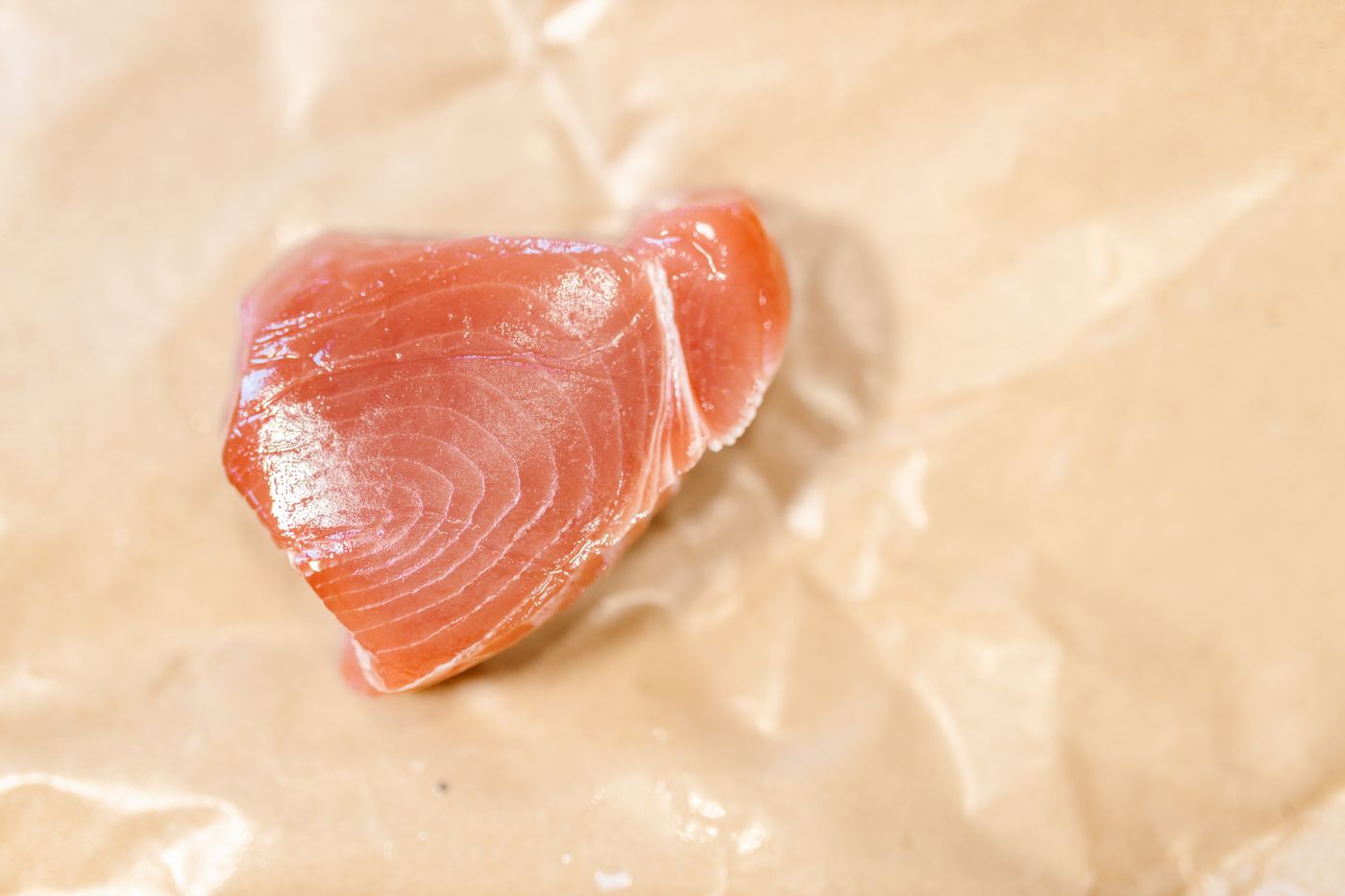
What Tuna Offers a Cat
Tuna is lean animal protein, and it is fine as a small extra for a cat on a complete diet. It is not complete by itself. Merck explains that cats fed high or all-meat diets have developed calcium deficiency because such diets are high in phosphorus and low in calcium. Tuna-only diets add a vitamin E problem on top of that, since Merck ties yellow fat disease to a diet high in unsaturated fish fats and low in vitamin E. Mercury is the other concern. Merck says commercial fish products such as tuna have caused long-term mercury poisoning in both people and cats. FDA advice for people puts canned light tuna among the lower-mercury choices and albacore one step higher, so light tuna is the better pick.
How Much Tuna Can a Cat Have?
WSAVA lists canned tuna in water at 36 calories per ounce and advises keeping treats under 10% of daily calories. For a 10-pound adult cat, that budget is roughly 22 to 25 calories a day. So 1/2 ounce (14 grams) of drained tuna, about 18 calories, is the most a cat should get in a day, and it replaces part of that day's food. Given mercury, keep tuna an occasional treat rather than a daily habit. Kittens, seniors and cats with diabetes, kidney disease, urinary stones, pancreatitis or food allergies should only get tuna if the vet agrees.
How to Serve It
Buy tuna canned in water with no salt added, drain it well, and mash or flake a small amount. Tuna canned in oil adds a lot of fat and calories for a small cat, so skip it or rinse it if that is all you have. Never use tuna salad, which usually contains mayonnaise and onion, and the ASPCA lists onion among foods pets should not eat. Raw tuna steak or sushi is also off the list because the ASPCA warns raw animal foods can carry Salmonella and E. coli.
If your cat has a medical condition or eats a special diet, talk with your veterinarian before giving tuna.
Common Questions
Can cats eat tuna every day?
Cats should not eat tuna every day. The Merck Veterinary Manual says commercial fish products such as tuna have caused long-term mercury poisoning in people and cats, and it reports yellow fat disease in cats fed large amounts of canned tuna. A small spoonful of tuna in water as an occasional treat is fine for most cats, but their main food should be a complete cat diet.
Can cats eat tuna in oil?
Tuna in water is the better choice, and tuna in oil is best skipped. The oil adds a lot of fat and calories for an animal whose treat budget is only about 22 to 25 calories a day, according to WSAVA's figures for a 10-pound cat. The Merck Veterinary Manual notes that cats with mild pancreatitis may be switched to lower-fat food and low-fat treats. If oil-packed tuna is all you have, drain and rinse it.
Can kittens eat tuna?
Kittens should get tuna only rarely, if at all, and only with your veterinarian's approval. They need a complete growth diet, and tuna can make a young cat picky about its regular food. Cornell Feline Health Center notes that some cats eating canned fish meant for people have developed serious neurological problems. A tiny lick of plain tuna in water is the most a kitten should have.
Is tuna good for cats with diarrhea?
Tuna is not a treatment for diarrhea, and adding new foods can make an upset stomach worse. A cat with diarrhea that lasts more than a day, or that comes with vomiting, low energy or blood in the stool, should see a veterinarian. Some vets do suggest bland foods for a short time, but ask first. WSAVA recommends asking your veterinary team about which treats suit your cat.
What happens if my cat eats a whole can of tuna?
A whole can is far more than a cat's treat allowance and may bring on vomiting or loose stool. Call your veterinarian if that happens or if the tuna was mixed with onion, as in tuna salad. The real risk comes from repeated large amounts: Merck links diets heavy in fish to yellow fat disease and tuna to mercury poisoning in cats.
Sources
- Cornell Feline Health Center: Feeding your cat
- Merck Veterinary Manual: Nutritional requirements of small animals
- Merck Veterinary Manual: Muscle disorders in cats
- Merck Veterinary Manual: Mercury poisoning
- FDA: Advice about eating fish
- WSAVA: Feeding treats to your cat
- ASPCA: People foods avoid feeding your pets
- Merck Veterinary Manual: Disorders of the pancreas in cats
