Can Cats Eat Turkey?
By Pettings · Sources checked Nov 2, 2026
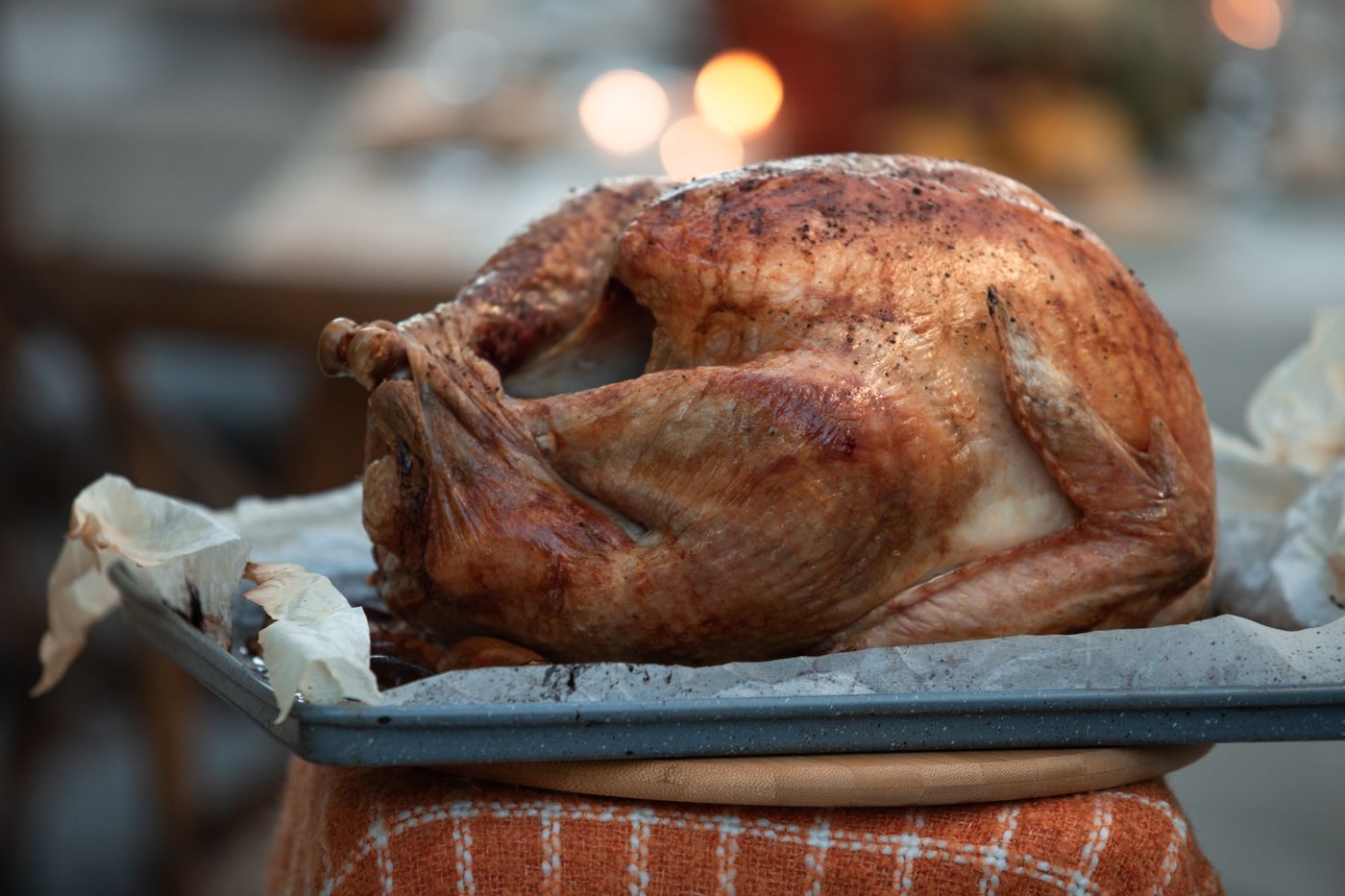
Cats can eat small amounts of plain cooked turkey. A bite or two of skinless white or dark meat makes a reasonable treat for most adult cats. The holiday version is a different story. Tufts Petfoodology lists high fat foods, bones and onions or garlic among the holiday foods pets should not get, and a roast turkey dinner often includes all of them.
What Turkey Offers a Cat
The Cornell Feline Health Center describes cats as animals that rely on nutrients found only in animal products, with a natural diet high in protein and very low in carbohydrate. Plain turkey meat is mostly protein and water with a modest amount of fat. Turkey does not contain the full range of vitamins and minerals a cat needs, so a treat should never stand in for a meal.
How Much Turkey Can a Cat Have?
WSAVA advises that treats make up less than 10% of a cat's daily calories, or about 22 to 25 calories a day for a 9 to 11 pound adult. It lists lean turkey breast at about 50 calories per ounce. For a 10-pound adult cat with no food allergy and no medical condition, 1/4 to 1/2 ounce of diced breast, about 1 to 2 level tablespoons, provides roughly 12 to 25 calories. Remove that amount from the day's usual food so the total stays the same. Dark meat has more fat, so give a little less of it. Kittens, seniors and cats with diabetes, kidney disease, urinary stones, pancreatitis or food allergies should get a veterinarian's go-ahead first.
How to Serve It
Roast or boil the turkey without salt, butter, oil, herbs or spice rubs, and cook it through. Take off the skin and pull the meat away from every bone. The ASPCA warns that bones can injure or obstruct the digestive tract, and Tufts adds that the string used to tie a roast can cause trouble if swallowed. Do not share stuffing, gravy or pan drippings, which often contain onion, garlic and a lot of fat. Deli turkey is another poor fit. Sliced lunch meat is usually high in salt, and the ASPCA reports that too much salt can cause vomiting, diarrhea, tremors and seizures in pets. Ground turkey works if it is plain, cooked through and drained.
Ask your veterinarian before offering turkey to a cat with a medical condition or a special diet.
Common Questions
Can cats eat deli turkey?
Deli turkey is not a good treat for cats because sliced lunch meat is usually high in salt and may contain added flavorings. The ASPCA warns that too much salt can lead to vomiting, diarrhea, tremors and seizures in pets, along with extra thirst and urination. A small piece your cat stole is unlikely to cause trouble, but plain turkey you cook at home is the better choice for regular treats.
Can cats eat Thanksgiving turkey?
Cats can have a small piece of plain turkey meat from the holiday bird if it has no skin, bones, gravy or seasoning on it. Tufts Petfoodology lists high fat foods, bones and onions or garlic among holiday foods pets should not eat, and many turkey dinners include all of them. Keep the stuffing, drippings and roasting string out of reach, and give only a bite or two of the inner meat.
Can cats eat raw turkey?
Raw turkey is not recommended for cats. The Cornell Feline Health Center reported an indoor cat in Oregon that died after eating a commercial raw turkey-based cat food that carried H5N1 bird flu, and Cornell advises against feeding raw diets because of bacteria, parasites and this virus. Cook turkey all the way through, then let it cool before sharing a small piece.
Is turkey or chicken better for cats?
Plain cooked turkey and chicken are very similar as cat treats. WSAVA lists lean turkey breast at about 50 calories per ounce and lean chicken breast at about 47, so portions are nearly the same. Pick whichever your cat accepts and digests well. If your cat has a suspected food allergy, ask your veterinarian before offering either one, since the Merck Veterinary Manual lists chicken among the foods cats are most often allergic to.
Can cats eat turkey bacon?
Turkey bacon is a poor choice for cats because it is a cured, salted product rather than plain meat. The ASPCA warns that salty foods can cause extra thirst and urination, and in larger amounts vomiting, diarrhea, tremors and seizures. Many brands also contain smoke flavoring and spices. If your cat likes turkey, a small piece of plain cooked breast gives the same flavor without the salt.
Sources
- WSAVA: Feeding treats to your cat
- Cornell Feline Health Center: Feeding your cat
- Tufts Petfoodology: The most popular holiday foodsthat your pet should avoid
- ASPCA: People foods avoid feeding your pets
- Merck Veterinary Manual: Allergies of cats
- Cornell Feline Health Center: H5n1 avian influenza and its impact on feline health
