Can Cats Eat Vinegar?
By Pettings · Sources checked Nov 2, 2026
Vinegar is an occasional taste at most, and only a few drops mixed into food. We found no veterinary source that lists vinegar as poisonous to cats, and also no evidence that it helps them. The Cornell Feline Health Center describes cats as obligate carnivores that rely on nutrients found only in animal products, so vinegar adds nothing to the diet. Most cats dislike the smell and will walk away from it.
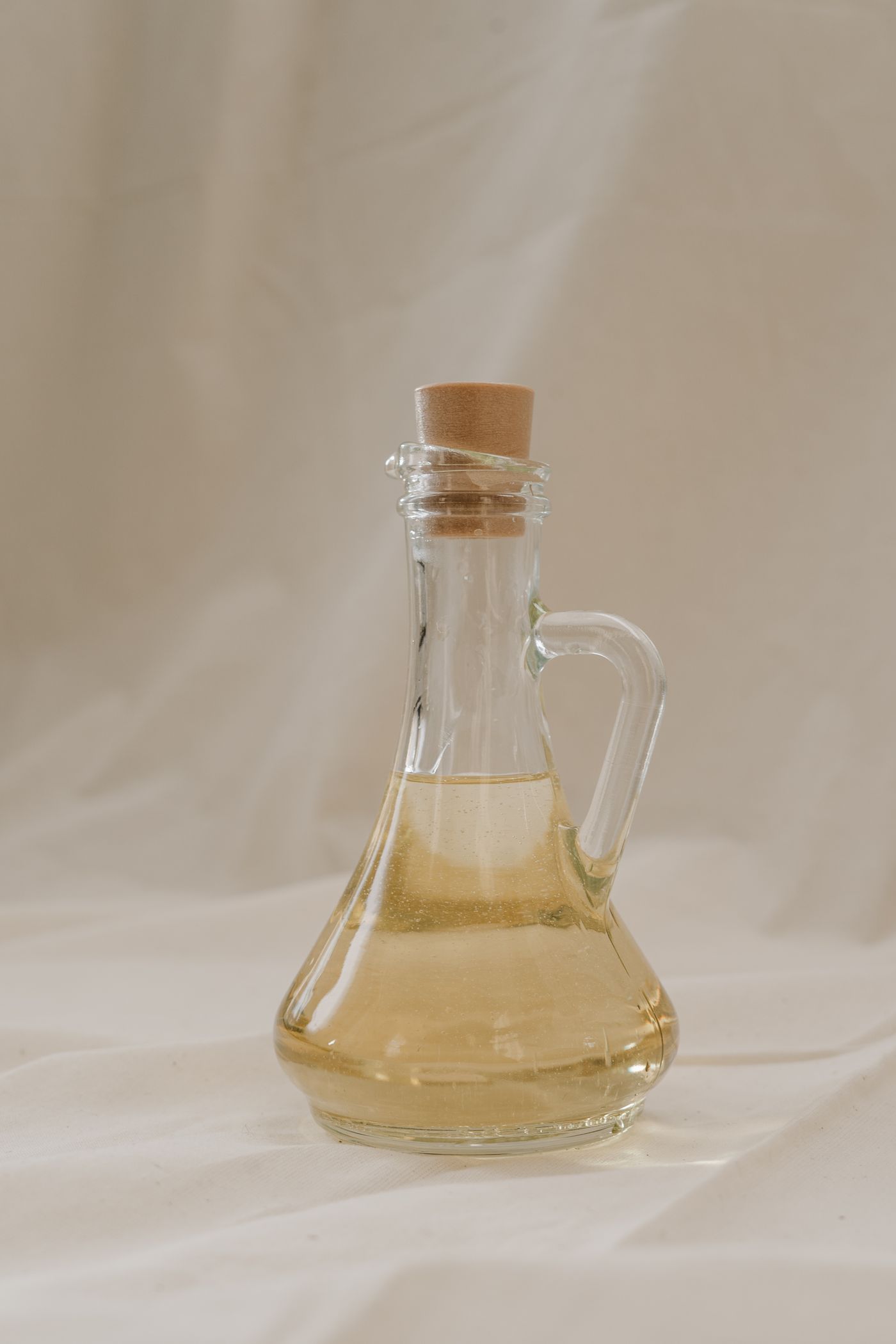
What Vinegar Offers a Cat
Vinegar is mostly water and acetic acid, the compound that gives it its sour taste and sharp smell. It has almost no calories and no nutrients a cat needs. Apple cider vinegar is often promoted online as a cure for fleas, urinary problems, hairballs or itchy skin in cats. We could not find veterinary research supporting any of those uses. Urinary signs in particular, such as straining, frequent trips to the box or blood in the urine, can signal a blockage in male cats, which is an emergency. A home remedy can delay the care a cat needs.
Undiluted vinegar is acidic enough to irritate the mouth and stomach. That is the main reason to keep amounts tiny and diluted.
How Much Vinegar Can a Cat Have?
For a 10-pound adult cat with no known food allergy and no medical condition, a few drops, no more than 1/8 teaspoon, mixed into a meal is the upper limit. It adds only a few calories, well inside the 22 to 25 treat calories a day that the World Small Animal Veterinary Association (WSAVA) gives for a cat of that size. There is no reason to make it a habit.
Do not add vinegar to drinking water. A cat that dislikes the taste may drink less, and cats already tend to drink little. Kittens, seniors, and cats with diabetes, kidney disease, urinary stones, pancreatitis or food allergies should not get vinegar unless a veterinarian suggests it.
How to Serve It
If you use it at all, choose plain white or apple cider vinegar and dilute a few drops in wet food. Skip flavored and seasoned vinegars. Balsamic glazes add sugar. Salad dressings, pickles and marinades add salt, oil, garlic and onion, and the Merck Veterinary Manual says cats are the species most sensitive to garlic and onion. Pickled foods are also high in salt, which the ASPCA lists among foods to keep from pets.
Cleaning with diluted vinegar around cats is a different question from feeding it. Rinse surfaces and let them dry before your cat walks on them.
If your cat has a medical condition or eats a special diet, ask your veterinarian before offering vinegar.
Common Questions
Is apple cider vinegar good for cats?
We found no veterinary research showing apple cider vinegar helps cats with fleas, urinary problems, hairballs or skin. Those uses come from home-remedy websites, not studies. Urinary signs in a male cat, such as straining with little urine, can be an emergency. See your veterinarian for a diagnosis instead of reaching for vinegar.
Can I put apple cider vinegar in my cat's water?
No, keep your cat's water plain. Most cats dislike the smell and taste of vinegar, and a cat that refuses its water bowl drinks even less than usual. Cats already tend to drink little, and low water intake matters for urinary and kidney health. If you want your cat to drink more, ask your veterinarian about wet food or a water fountain.
What happens if my cat licks vinegar?
A cat that licks vinegar usually backs away quickly because of the sour taste and strong smell. A small lick may cause drooling or lip smacking and is unlikely to need treatment. Undiluted vinegar is acidic, so larger amounts can irritate the mouth and stomach. Call your veterinarian if your cat vomits repeatedly or will not eat.
Is it safe to clean with vinegar around cats?
Cleaning with diluted vinegar is common in homes with cats. The smell fades as it dries, and most cats avoid freshly cleaned spots. Rinse surfaces where your cat eats or walks and let them dry first. Never mix vinegar with bleach or other cleaners, and ask your veterinarian if your cat seems irritated after cleaning.
Can cats eat pickles?
No, skip pickles. Pickles are cucumbers soaked in vinegar and salt, often with garlic and dill. The ASPCA lists salt among foods to keep away from pets, and the Merck Veterinary Manual says cats are the species most sensitive to garlic. A lick of pickle juice is unlikely to cause trouble, but do not offer pickles as a treat.