Can Cats Eat Yeast?
By Pettings · Sources checked Nov 2, 2026
No. Keep baker's yeast and raw yeast dough away from cats. The ASPCA warns that yeast dough can rise inside a pet's stomach and cause painful gas and bloating, and that fermenting yeast produces alcohol that the body absorbs. Brewer's yeast, the inactive kind sold as a supplement, is a separate question covered below.
Why Yeast Is a Problem for Cats
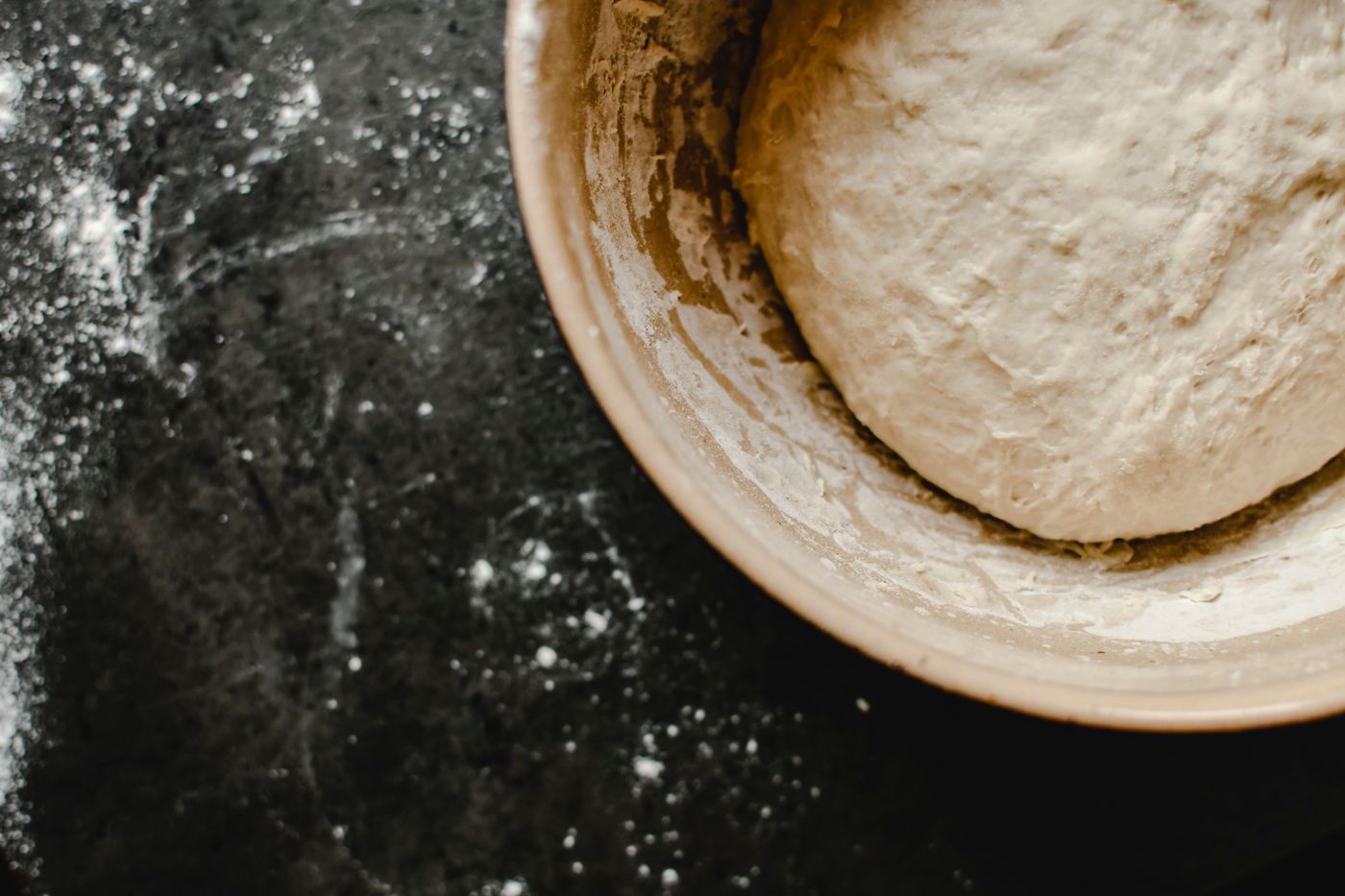
Live baker's yeast feeds on sugar and starch and gives off carbon dioxide and ethanol. That is how bread rises. The Merck Veterinary Manual explains that a pet's warm, moist stomach acts like a proofing box, so raw dough keeps expanding. The swelling stretches the stomach, can reduce blood flow to the stomach wall and in severe cases makes breathing harder. Meanwhile, the ethanol is absorbed into the blood and causes alcohol poisoning. Merck notes that death is usually due to the alcohol's effects rather than the swelling. Any species is susceptible, though dogs are the ones most often seen.
Raw dough is the main risk: bread and pizza dough left to rise on the counter, unbaked rolls, and dough scraps. Dry or fresh yeast eaten from the packet can start fermenting in the stomach too. ASPCA calls about yeast dough rose 51 percent in 2020, when home baking became popular. Baked bread is not a hazard in the same way, because baking kills the yeast.
Brewer's yeast is different. It is dried, inactive yeast, so it cannot rise or make alcohol in the stomach. It appears in some pet supplements and treats. The World Small Animal Veterinary Association (WSAVA) counts supplements as treats, so they share the same small daily calorie allowance. Ask your veterinarian before adding brewer's yeast, and check the label, since some products for people add garlic.
Signs to Watch For
The ASPCA lists signs after a pet eats raw dough: trying to vomit but bringing nothing up, a swollen, uncomfortable belly, poor coordination, unsteady walking and dullness. The Merck Veterinary Manual adds lethargy, disorientation, weakness, low blood sugar, low body temperature and, in severe cases, seizures or coma.
What to Do If Your Cat Ate Yeast
Call your veterinarian or the ASPCA Animal Poison Control Center at (888) 426-4435 right away. Do not try to make your cat vomit unless a veterinarian tells you to; Merck notes that sticky dough is hard to bring up. Bring the yeast packet or recipe and note how much dough is missing and when.
If your cat has a medical condition or eats a special diet, ask your veterinarian before giving any yeast supplement.
Common Questions
Can cats eat brewer's yeast?
Brewer's yeast is dried, inactive yeast, so it cannot rise or make alcohol the way live baker's yeast can. It appears in some pet supplements. The World Small Animal Veterinary Association counts supplements as treats, so they share the cat's small daily treat allowance. Ask your veterinarian before adding it, and avoid products for people that add garlic.
What happens if a cat eats raw bread dough?
Raw dough can keep rising in the warm stomach while the yeast makes alcohol. The Merck Veterinary Manual describes stomach swelling, attempts to vomit, lethargy and, as alcohol is absorbed, wobbliness, disorientation, weakness, low body temperature and possibly seizures or coma. Call your veterinarian or the ASPCA Animal Poison Control Center right away.
Can cats eat bread?
A small piece of plain baked bread is not the same risk as raw dough, because baking kills the yeast. Bread still offers a cat nothing, since cats need nutrients from animal products. Avoid bread with garlic, onion, raisins, nuts or seeds. Raw or rising dough is the real concern and should stay out of reach.
Can cats eat nutritional yeast?
Nutritional yeast is inactive yeast, so it will not rise in the stomach. It is not needed in a cat's diet, and some products add salt or flavorings. The World Small Animal Veterinary Association counts supplements and extras as part of a cat's treat calories. If you want to use it, ask your veterinarian first.
Can cats eat pizza dough?
No, not raw pizza dough. The ASPCA warns that raw yeast dough can expand in a pet's stomach and produce alcohol as it ferments. Pizza dough left to rise on the counter is a common way pets get into it. If your cat ate raw dough, call your veterinarian or the ASPCA Animal Poison Control Center at (888) 426-4435 right away.